Isolation
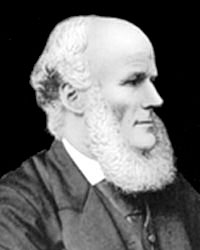
C. H. Mackintosh
It is one of our great difficulties at the present moment — indeed it has ever been a difficulty — to combine a narrow path with a wide heart. There is very much, on all sides, tending to produce isolation. We cannot deny it. Links of human friendship seem so fragile; so many things crop up to shake confidence; so many things which one cannot possibly sanction, that the path becomes more and more isolated.
All this is unquestionably true. But we must be very careful as to how we meet this condition of things. We have little idea how much depends on the spirit in which we carry ourselves in the midst of scenes and circumstances which, all must admit, are peculiarly trying.
For example, I may retire in upon myself, and become bitter, morose, severe, repulsive, withered up, having no heart for the Lord's people, for His service, for the holy and happy exercises of the assembly. I may become barren of good works, having no sympathy with the poor, the sick, the sorrowful: living in the narrow circle within which I have retired; thinking only of myself, my personal and family interests. What, we may well inquire, can be more miserable than this? It is simply the most deplorable selfishness; but we do not see it, because we are blinded by our inordinate occupation with other people's failures.
Now it is a very easy matter to find out flaws, foibles, and faults in our brethren and friends. But the question is, How are we to meet these things? Is it by retiring in upon ourselves? Never; no, never. To do this is to render ourselves as miserable in ourselves as we are worthless, and worse than worthless, to others. There are few things more pitiable than what we call "a disappointed man". He is always finding fault with others. He has never discovered the real root of the matter, or the true secret of dealing with it. He has retired, but it is in upon himself. He is isolated, but his isolation is utterly false. He is miserable; and he will make all who come under his influence — all who are weak and foolish enough to listen to him — as miserable as himself. He has completely broken down in his practical career; he has succumbed to the difficulties of his time, and proved himself wholly unequal to meet the stern realities of actual life. And then, instead of seeing and confessing this, he retires into his own narrow circle, and finds fault with everyone except himself. How truly delightful and refreshing to turn from this dismal picture to the only perfect Man that ever trod this earth! His path is indeed an isolated one — none more so. He had no sympathy with the scene around Him. "The world knew him not". "He came unto his own [Israel], and his own received him not". "He looked for some to take pity, but there was none; and for comforters, but he found none". Even His own beloved disciples failed to sympathize with, or understand Him. They slept on the mount of transfiguration, in the presence of His glory; and they slept in the garden of Gethsemane, in the presence of His agony. They roused Him out of His sleep with their unbelieving fears, and were continually intruding upon Him with their ignorant questions and foolish notions.
How did He meet all this? In perfect grace, patience, and tenderness. He answered their questions; He corrected their notions; He hushed their fears; He solved their difficulties; He met their need; He made allowance for their infirmities; He gave them credit for devotedness in the moment of desertion; He looked at them through His own loving eyes, and loved them, notwithstanding all. "Having loved his own which were in the world, he loved them unto the end."
Christian reader, let us seek to drink into our blessed Master's spirit, and walk in His footsteps; and then our isolation will be of the right kind, and though our path may be narrow, the heart will be large.
Extract from "Things New and Old", by C. H. Mackintosh.